Guide

What to wear and carry — the practical checklist

Most first-timers overdress or bring the wrong things. Here's what actually matters at altitude.
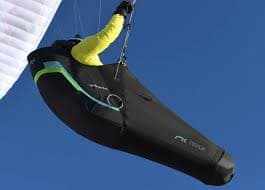
Paragliding harness detail

Clothing

  • Long trousers — jeans or trekking pants; shorts get uncomfortable in the harness
  • Closed shoes with grip — trekking shoes or sneakers; no sandals, heels or slip-ons
  • A windproof layer — launch altitude is colder than the valley, even in warm months
  • Layers you can remove — morning slots start cold, warm up fast
  • Nothing loose that flaps — scarves, dupattas, open jackets create problems at launch

What to carry

  • ID — some sites register passengers
  • Small cash — parking, chai stalls, tips
  • Water — flying sites are outdoors with limited shade
  • Sunscreen and sunglasses — UV is stronger at altitude
  • A charged phone — for photos after landing

What to leave behind

  • Bags bigger than a small waist pouch — they don't fly with you
  • Valuables that can fall — unsecured phones, loose jewellery, anything in open pockets
  • Drones — most flying sites are restricted airspace or near-miss hazards
  • A large camera setup — GoPros are the practical tool here

Seasonal notes

Winter (Dec–Feb): proper warmth — launch altitude in the morning is genuinely cold, and the wind chill in the air adds to it. Gloves help.

Summer (Mar–May): light layers, sun protection, more water. Monsoon: sites are closed — moot point.

Frequently Asked Questions

Can I wear sandals for paragliding?

No — closed shoes with grip are required. Sandals come off at launch or slip during the landing jog.

Should I carry my phone during the flight?

Only if it's secured — zipped pocket or a strap. Operators usually advise against loose handheld phones at altitude.

Is it cold during the flight?

Colder than the valley floor — altitude plus wind chill. A light windproof layer handles it in most months; winter mornings want more.

Ready to fly?

Tell us your dates and location — we'll point you to the right experience.